 Facebook
 X
X LinkedIn
Stacey’s Story
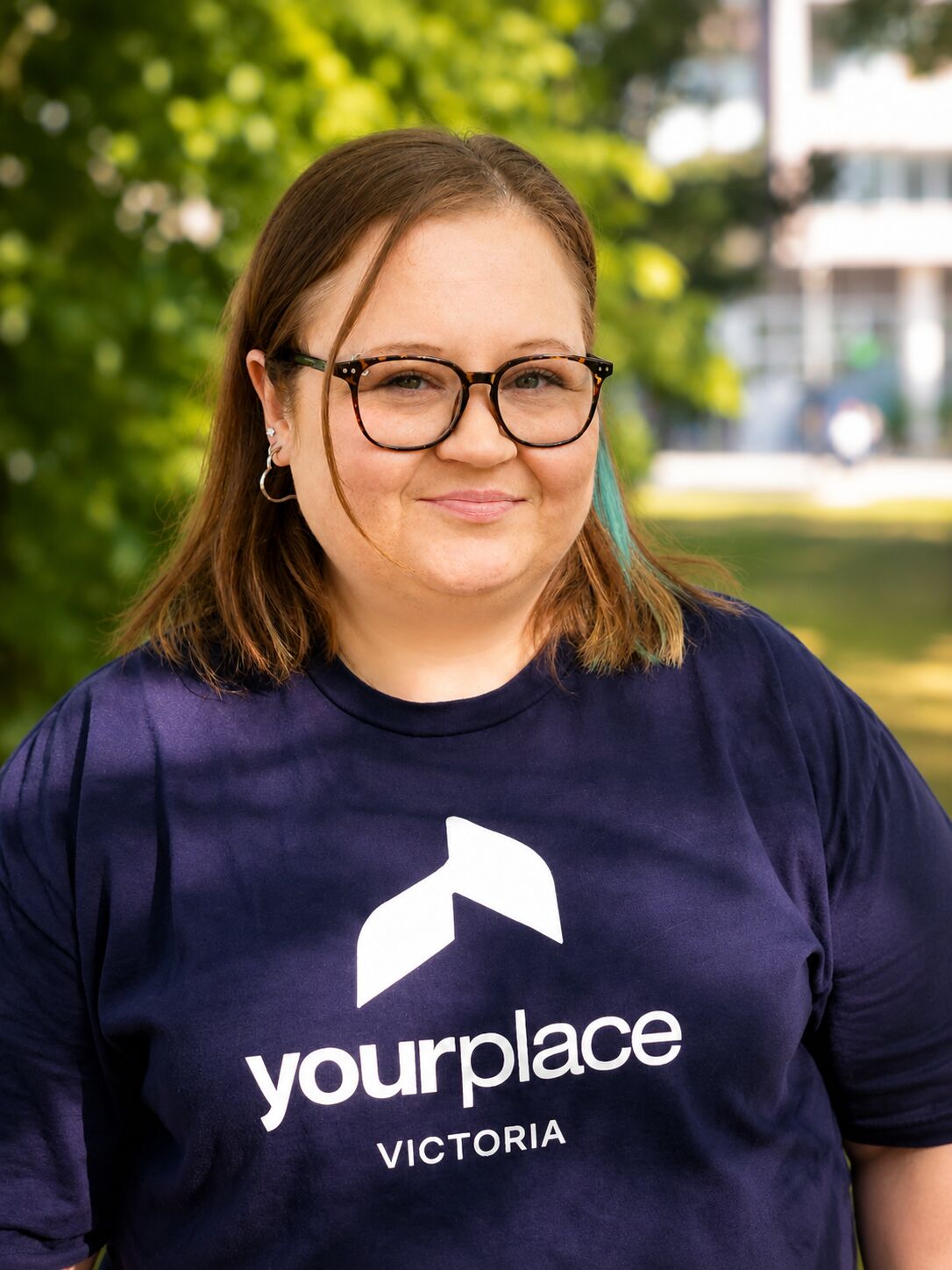
Stacy’s story, with its ups and downs, sounds not unusual. But Stacey has come a long, long way on a far bumpier road than most. Today, she is celebrating more than 15 months of staying sober. “It’s the longest I’ve been clean since I was a kid,” Stacey says with pride. She is an inspiring example of what can happen when someone has access to the right support at the right time—and the opportunity to keep moving forward.
Before entering New Roads, Stacey struggled with addiction and the uncertainty that comes with living day-to-day in survival mode. She moved through temporary housing, shelters, treatment, relapse, and more housing instability, all while trying to find a path forward.
She knew she needed something different – and that was long-term treatment.
After “hounding the heck out of them,” Stacey became one of the first women offered a place at the New Roads Women’s Therapeutic Recovery Community, where women can stay as long as two years, the only long-tern recovery program on the Island. She arrived hopeful, while facing physical and emotional challenges. Years of addiction had taken a toll on her health. Even walking was difficult.
Recovery from addiction has been hard. The structured schedules that at first seemed an imposition, slowly became the pillars of her recovery. Difficult conversations, challenging personal work, and facing moments when she wanted to quit made her realize her resilience. She knows she can do hard things, even taking longer and longer walks that at first were not possible.
She also learned she didn’t have to do those hard things alone, as relationships with staff and fellow residents became part of her recovery. “New Roads taught me how to be my own person,” says Stacey, but it was the whole community of New Roads that helped her move from surviving to thriving.
It’s never over though; Stacey continues her commitment to addiction recovery through meetings, friendships, and the community she found along the way. Every Friday she attends an AA meeting with her father, who has been sober for more than 30 years. “That’s the highlight of my week,” says Stacey.
One of the most significant milestones came when she was offered administrative employment with Your Place Victoria, Our Place’s social enterprise landscaping company that was created for graduates of New Roads. Participants earn a living wage, gain work experience, build confidence, and continue strengthening the routines and accountability that support long-term recovery. For many graduates, meaningful employment becomes the next step on their pathway toward independence and stability.
For Stacey, it was the right opportunity that came at exactly the right time.
“Somehow a job landed in my lap that I already knew how to do.”
But what matters most to her is what the work represents: a sense of responsibility to herself and others who struggle.
After experiencing homelessness and addiction in her own life, Stacey says she sees the world differently now. She understands the challenges firsthand and feels a deep connection to helping others find a way forward. “I couldn’t go back to pretending homelessness and addiction weren’t a thing. I needed to do something in that community.”
For many leaving addiction treatment, this transition back into everyday life can be one of the most vulnerable periods. The supports of the treatment program disappear, and individuals are often expected to figure out housing, employment, finances, and recovery largely on their own. Treatment is not the finish line—it is one important step on the pathway toward lasting stability, housing, employment, family reconnection, and purpose.
Many graduates leave treatment with few financial resources, limited family support, and nowhere to go. Others are rebuilding relationships with children, reconnecting with family, or trying to establish themselves in the workforce for the first time in years.
“Coming out of treatment is scary,” she says, which is why Stacey speaks passionately about the urgent need for more second-stage sober housing for women. Affordable housing in a market like Victoria’s is scarce. Recovery and sober-focused housing options are that much more limited. Many sober programs offer only a few months of support before women are expected to move on.
Without safe, supportive housing, the risk of relapse for people like Stacey increases dramatically. “It’s like throwing someone into the deep end without being able to swim,” she says.
Stacey knows this drowning feeling.
Following a previous treatment experience, she entered a second-stage sober housing program that provided little support or accountability. When she relapsed, and admitted it, she was told to leave. Immediately.
As Stacey explains, recovery is not simply about becoming sober. Recovery is about building a life worth staying sober for. It is about reconnecting with family, finding meaningful work, developing healthy relationships, and becoming part of a community. Those things take time, support, and opportunities to succeed. It is about learning an entirely new way of living. That means time to practice the skills learned at New Roads. Without safe housing, supportive peers, structure, and community, that work becomes exponentially harder.
Today, Stacey is thriving as a resident in community sober housing, where she can stay for up to six months. She hopes for a place of her own soon and, one day, perhaps even a dog again.
Thanks to the support of donors, women like Stacey are finding the opportunity to recover, rebuild, and reclaim their futures. Her story shows what is possible when people have access to a complete pathway of support—from treatment and recovery to employment, community, and housing. The next critical step is ensuring more women have access to the safe, supportive housing that helps turn recovery into lasting stability and lasting change.